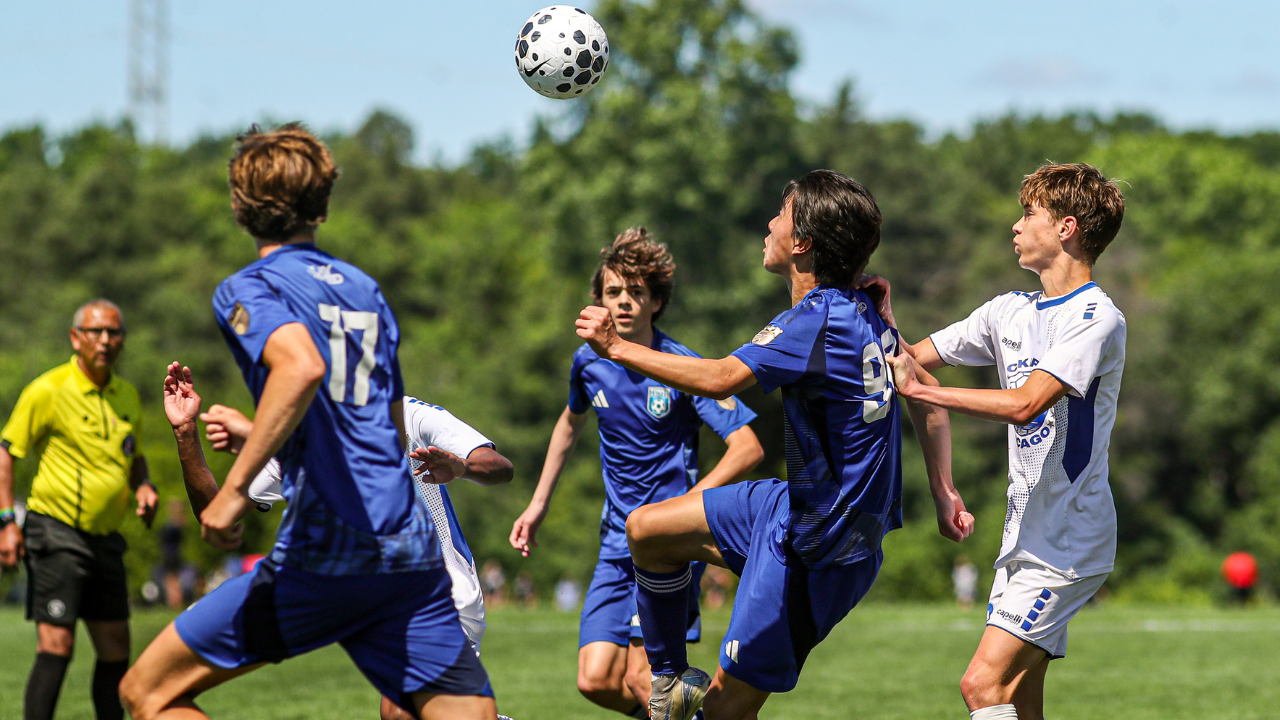
Sports Medicine Coverage at Large Soccer Events
Author: Adam Greenfield, LAT, ATC
Sports Medicine Coverage at Large Soccer Events
Why Professional Athletic Trainer Staffing Matters
Large soccer events are bigger, faster-paced, hotter, and more demanding than ever before. Thousands of athletes, families, coaches, officials, and spectators gather across multi-field complexes for long weekends of competition, often with compressed schedules, extreme weather conditions, and limited recovery time between matches.
In that environment, professional sports medicine coverage becomes essential.
Athletic trainer staffing at large soccer events is not simply about having someone available for emergencies. It is about building a structured medical operation focused on athlete safety, emergency preparedness, environmental monitoring, communication, and event-wide risk mitigation.
Athlete safety should never be reactive. It should be intentional, organized, and professionally managed from the moment an event begins.
The Complexity of Large Soccer Events
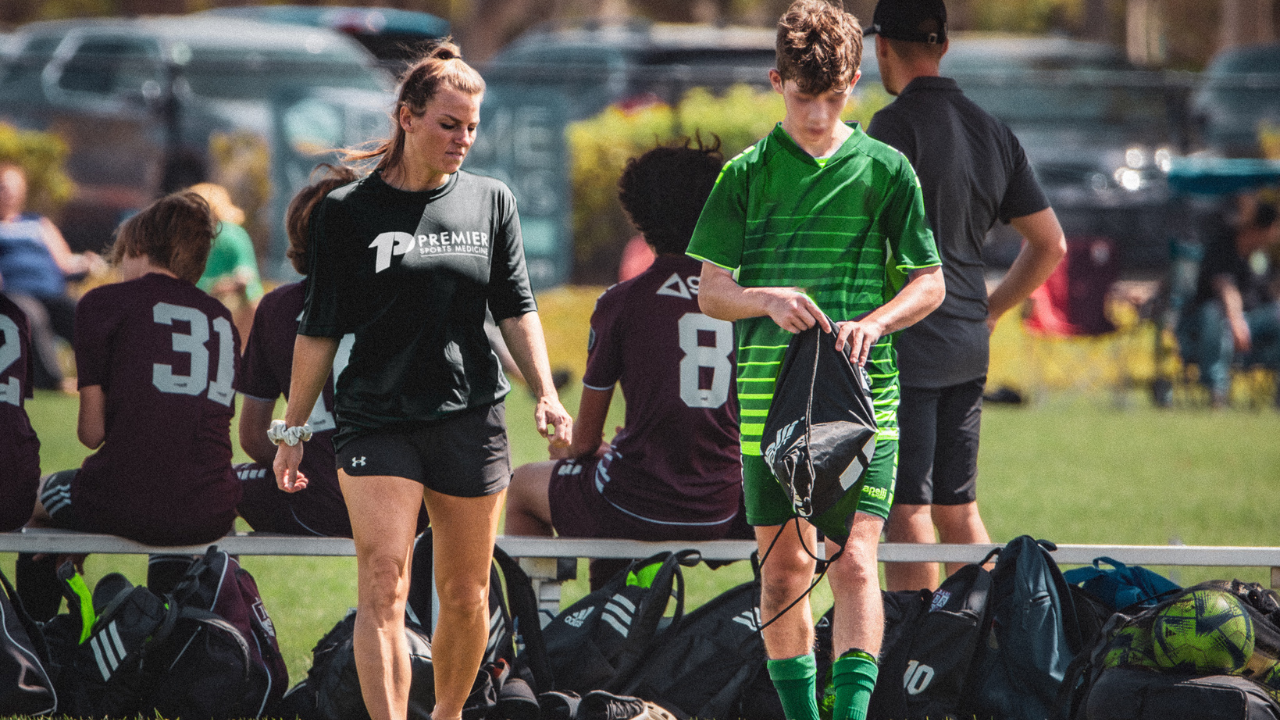
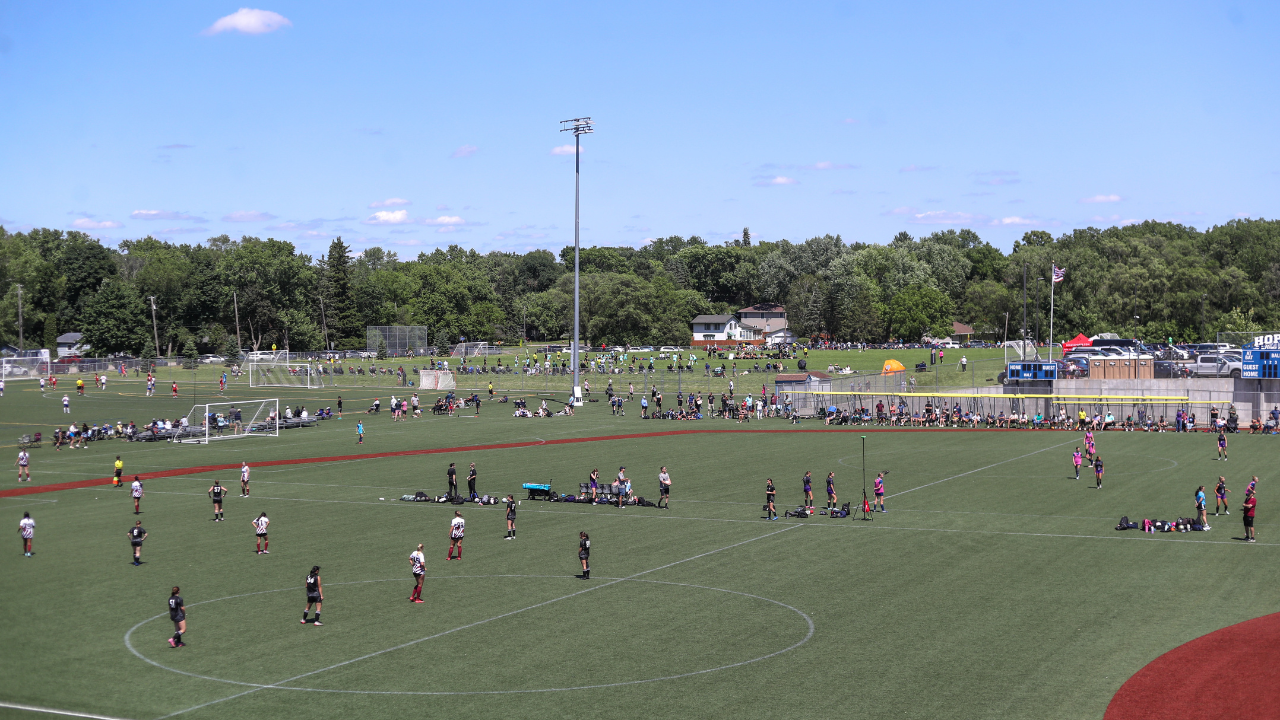
Large-scale soccer tournaments, like our 600+ team Tonka Splash each June, create complex medical and operational demands that require experienced, professional sports medicine oversight.
Common event-related risk factors include:
- Multiple active fields operating simultaneously
- Hundreds or thousands of athletes onsite
- Long competition days with limited recovery
- Extreme heat and humidity
- Lightning and severe weather threats
- Dehydration and exertional illness
- High athlete volume with varying ages and skill levels
- Limited EMS access across large venues
- Traveling teams unfamiliar with local environmental conditions
At youth soccer events, these challenges can become even more complex. Athletes may vary significantly in age, physical development, medical history, and ability to recognize or communicate symptoms.
Without structured medical coverage planning, event organizers may expose athletes, families, staff, and the event itself to unnecessary risk.
As events continue to grow in size and intensity, the standard for medical coverage must grow with them.
Professional Athletic Trainer Staffing Standards
Every event differs based on its size, layout, schedule, and complexity, but effective sports medicine coverage should be strategic, scalable, and built around athlete safety.
Proper staffing models should consider:
- Number of active fields
- Athlete volume and level of competition
- Tournament density and scheduling
- Environmental conditions
- Distance between field locations and available lines of sight
- EMS and physician availability
- Venue access and emergency transportation routes
Larger events may require:
- Dedicated lead athletic trainers
- Roving medical teams
- Medical command structures
- Clearly assigned coverage zones
- Staggered staffing schedules
- Integrated emergency communication systems
These systems allow medical teams to respond efficiently while maintaining coverage throughout the event.
Professional medical coverage should never be built around minimum staffing. It should be built around maximum preparedness.
Heat Safety and Environmental Monitoring
Heat illness remains one of the greatest preventable threats at large outdoor sporting events.
Athletic trainers help manage:
- Heat index and wet-bulb globe temperature monitoring
- Work-and-rest modifications
- Hydration protocols
- Cooling strategies
- Emergency cold-water immersion procedures
- Real-time environmental communication
Proper event planning should also include:
- Pre-event education
- Heat acclimatization guidance
- Cooling equipment readiness
- Medical escalation procedures
- Clear communication with coaches, officials, staff, and families
Athletic trainers do more than record environmental conditions. They help event leaders understand what those conditions mean and when schedules, rest periods, or competition formats may need to change.
The difference between a manageable heat situation and a catastrophic emergency can be measured in minutes.
Emergency Action Planning Matters
Every large soccer event should operate with a detailed Emergency Action Plan, commonly known as an EAP.
An effective EAP includes:
- Venue-specific emergency procedures
- EMS access routes
- AED locations
- Severe weather protocols
- Communication trees
- Defined leadership structures
- Emergency transportation plans
- Hospital coordination
Athletic trainers are often responsible for helping build, implement, and manage these plans in real time. While major emergencies are uncommon, preparation remains critical.
Large events must be prepared for:
- Environmental illness
- Concussions
- Fractures and orthopedic injuries
- Cardiac emergencies
- Allergic reactions
- Asthma emergencies
- Severe weather situations
Athletic trainers are trained to respond quickly, provide immediate care, and coordinate emergency response when every second matters.
An Emergency Action Plan is only effective if trained professionals understand it, communicate it, and are present to execute it confidently and efficiently.
For families and event operators alike, that level of preparation creates confidence and peace of mind.
Professional Medical Coverage Elevates the Event
Beyond emergency response, athletic trainers improve overall event operations.
They help:
- Keep games running efficiently
- Reduce unnecessary EMS utilization
- Support coaches, referees, and event staff
- Assist with player evaluation, recovery, and injury management
- Create safer participation environments
- Improve communication during medical situations
- Provide families with a trusted healthcare resource onsite
Parents notice when events prioritize athlete safety. Coaches notice when medical teams are organized and responsive. Athletes notice when healthcare professionals are accessible and engaged.
Professional healthcare presence reflects a professional event standard.
It communicates that athlete welfare is not simply discussed. It is supported through planning, qualified personnel, and visible action.
The Future of Event Safety
As youth and amateur sports continue to grow, expectations surrounding sports medicine coverage must grow as well.
Professional athletic trainer staffing should no longer be viewed as optional coverage added at the last minute. It should be integrated into the operational foundation of every large sporting event.
When properly integrated into event planning, athletic trainers help create environments where athletes can compete safely, organizations can operate confidently, and families can trust that athlete welfare remains the priority.
Because preparation and professionalism matter long before an emergency happens.