
The Essential Value of Athletic Trainers
Author: Adam Greenfield, LAT, ATC
The Essential Value of Athletic Trainers
Why Athletic Trainers Are Critical to Athlete Safety in Youth Sports
In today’s sports environment, athlete safety requires more than good intentions. It requires trained healthcare professionals who can recognize risk, respond quickly, and help prevent emergencies before they happen.
For youth sport families, players, coaches, and clubs, this matters. Every training session, game, tournament, and event brings energy, competition, and opportunity. It also brings responsibility.
Athletic trainers play a critical role in modern sports medicine and athlete care. Yet too often, their value is misunderstood or underestimated.
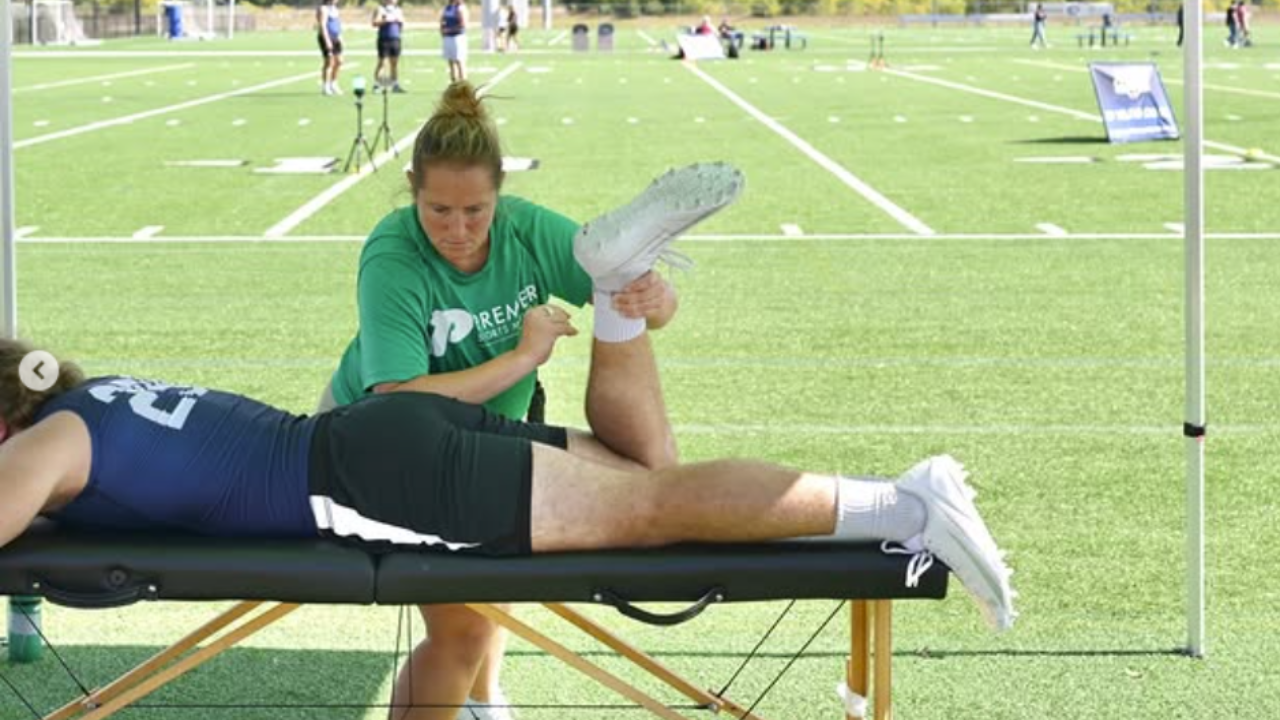
Certified athletic trainers are not simply “sideline personnel.” They are highly educated healthcare professionals trained in injury prevention, emergency response, environmental safety, rehabilitation, concussion management, and medical decision-making.
From professional sports to youth sports, collegiate athletics and large-scale sporting events,
Premier Sports Medicine athletic trainers serve as frontline healthcare providers responsible for protecting the health and well-being of athletes.

Athletic Trainers Are Healthcare Professionals
Athletic trainers are educated and trained in:
- Emergency and acute care management
- Injury and illness evaluation
- Concussion recognition and management
- Heat illness prevention and response
- Rehabilitation and recovery strategies
- Environmental monitoring
- Risk mitigation and emergency action planning
- Communication and coordination with physicians and EMS
Their role extends far beyond injury response. Athletic trainers help create safer environments through prevention, preparation, education, and proactive healthcare oversight.
For parents and coaches, that presence matters. It means athletes are not left waiting, guessing, or relying only on good intentions when a medical situation occurs.
The best medical response is often the emergency that never happens because trained professionals recognized the warning signs early.
Immediate Care When Every Second Counts
Sports are fast-paced and unpredictable. A collision, awkward landing, sudden sprint, or hard fall can quickly turn into an injury requiring immediate medical attention.
Having an athletic trainer onsite means athletes can be evaluated immediately by a trained healthcare professional who can determine the severity of the injury and make informed decisions about next steps.
Quick recognition and early intervention can:
- Prevent further injury
- Improve recovery outcomes
- Reduce unnecessary emergency room visits
- Ensure athletes receive appropriate care immediately
- Help coaches and families make safer decisions
In sports medicine, fast recognition and informed decision-making can significantly change outcomes for an athlete.
Environmental Monitoring
Environmental issues remain one of the most significant preventable risks in sports participation today.
Athletic trainers play a vital role in:
- Monitoring environmental conditions, including lightning, heat, cold, and field conditions
- Identifying signs of heat distress
- Identifying signs of cold distress
- Managing hydration strategies
- Recommending activity modifications
- Coordinating emergency procedures
- Educating athletes, coaches, and families
This is especially important in youth sports where games and tournaments often take place across multiple fields, long days, and changing weather conditions.
Immediate recognition of emergency situations with appropriate intervention saves lives.
Athletic Trainers Create Safer Environments
Athlete development and athlete safety go hand in hand.
Athletic trainers help create:
- Safer participation environments
- Better emergency preparedness
- Improved communication during medical situations
- Stronger support systems for athletes, coaches, and families
- More confidence for parents and players
Their presence provides reassurance that athlete welfare remains the priority.
The goal is not simply to respond to emergencies. It is to create environments where emergencies are less likely to happen in the first place.

The Standard Should Be Higher
As sports continue to evolve, expectations surrounding athlete safety must evolve as well.
Athletic trainers are not optional additions to athletic programs or events. They are healthcare providers, emergency responders, risk managers, and essential members of the sports medicine team.
For youth sport communities, this standard matters. Players deserve safe places to grow, compete, and enjoy the game. Families deserve confidence that athlete welfare is being taken seriously. Coaches and clubs deserve qualified medical support when decisions matter most.
When organizations prioritize professional medical coverage, they demonstrate a commitment to athlete welfare, operational professionalism, and long-term safety.
Because when it comes to athlete safety, preparation, professionalism, and proactive medical care should never be optional.