Let Kids Play
Author: Sean Downey
Let Kids Play: Why Recreational Sports Matter More Than Ever
Somewhere along the way, youth sports became complicated.
What once began with a ball, a neighborhood field, and a few friends can now feel like a major family decision—complete with tryouts, travel, specialized training, packed weekends, rising expenses, and year-round commitments.
Those opportunities can be valuable for children who want them. Competitive and travel sports have an important place in the youth sports landscape.
But they should not be the only place.
Before children need a pathway, a ranking, or a long-term plan, they need an opportunity to play.
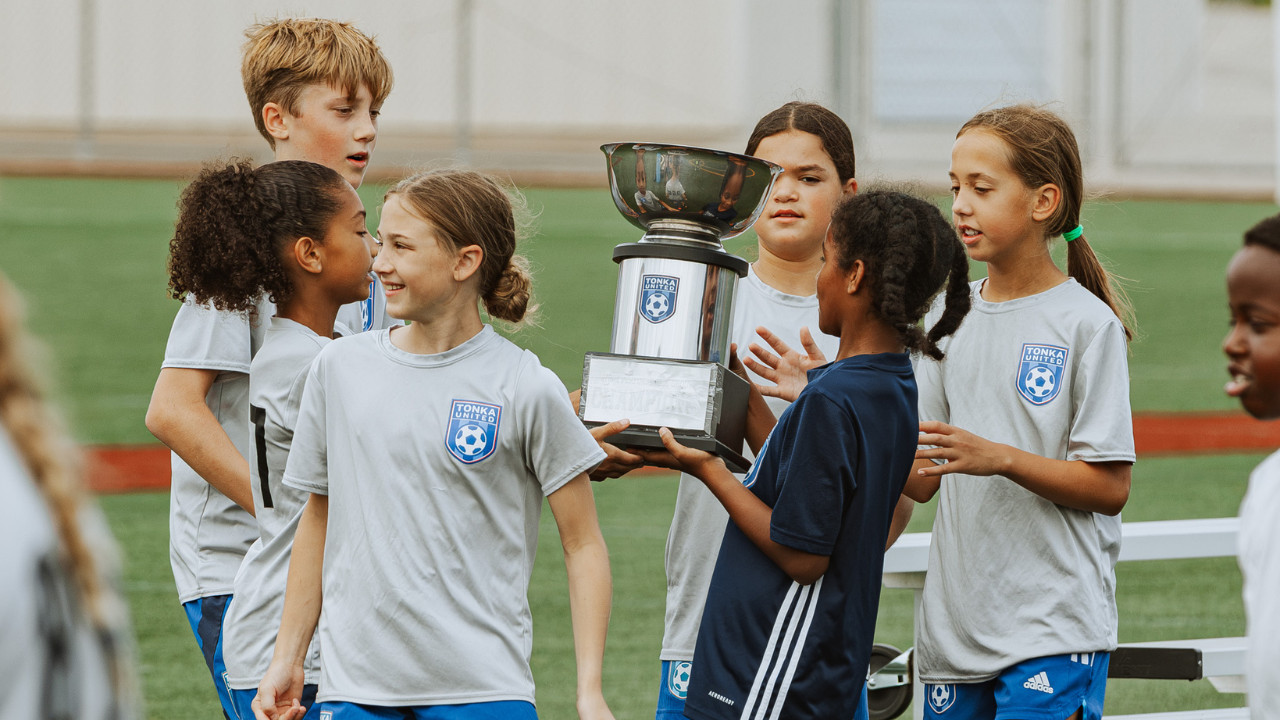
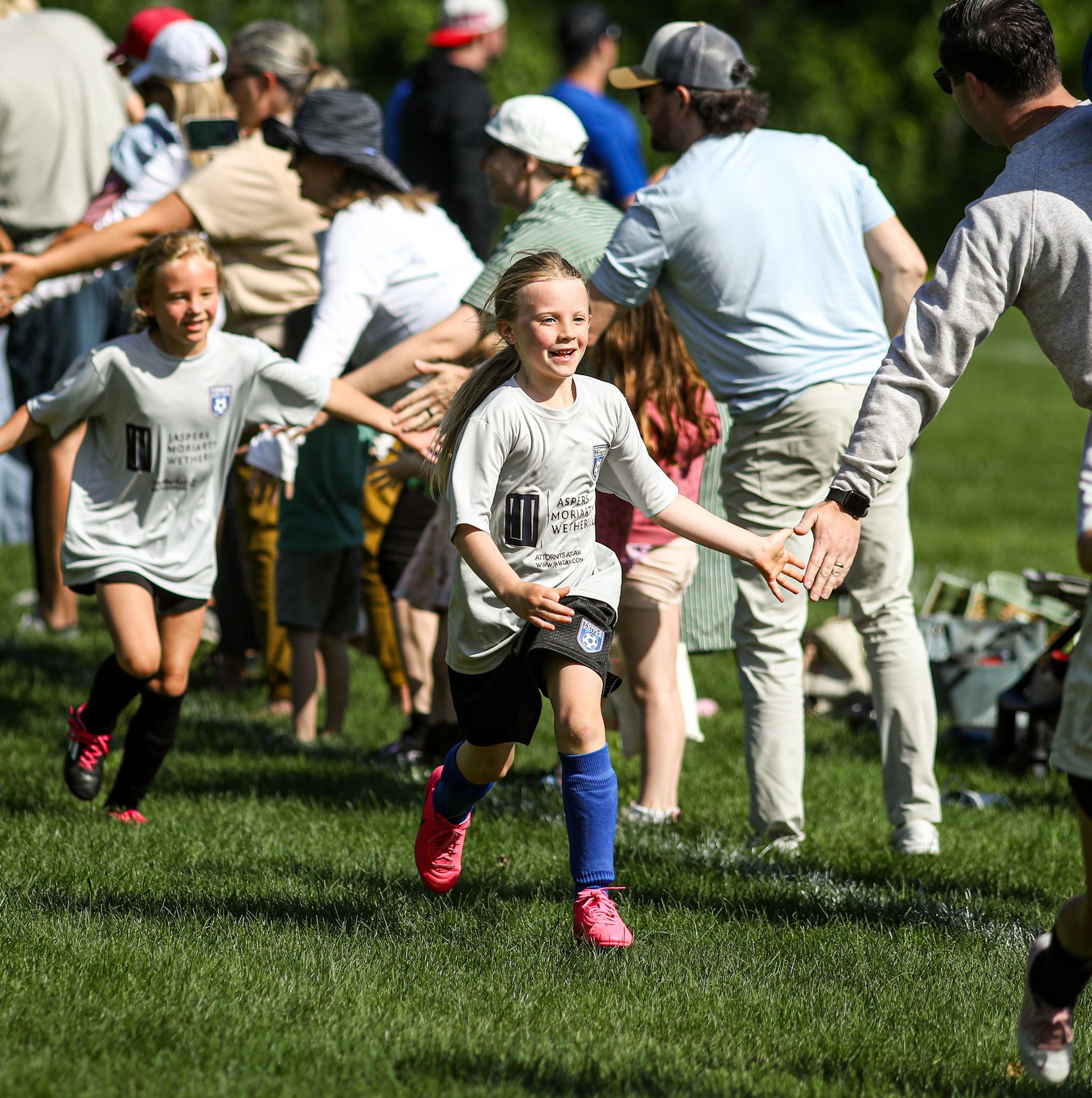
They need a place where they can run, laugh, learn, make mistakes, build friendships, and discover whether they enjoy the game. They need a version of sport that fits into childhood—and into the realities of family life.
That is why recreational youth sports matter more than ever.
More Families Are Looking for a Simpler Way to Play
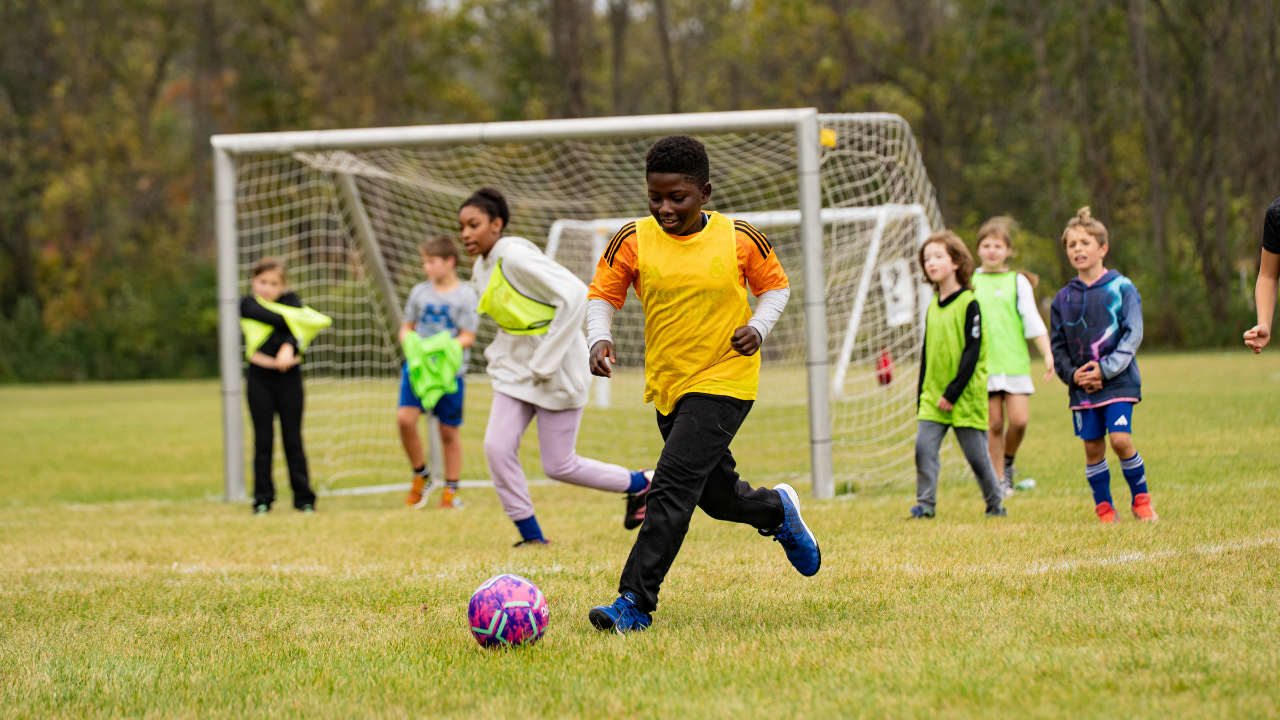
There are encouraging signs that children and families are rediscovering more flexible forms of organized sport.
According to the Aspen Institute’s State of Play 2025 report, 65% of children ages 6–17 tried a team sport at least once during 2024. Casual participation increased across both younger children and teenagers, reaching the highest level tracked by the Sports & Fitness Industry Association since at least 2012.
That growth matters.
It suggests that children still want to play—and parents still see the value of sports—but many families may be looking for opportunities that are easier to enter, more affordable, less consuming, and centered on the experience of the child.
At the same time, the cost of youth sports continues to rise. The average American sports family spent $1,016 on a child’s primary sport in 2024, a 46% increase from 2019. Registration fees, non-local travel, lodging, camps, and private instruction have all contributed to the increase.
For some families, the financial cost is the barrier. For others, it is the time, travel, pressure, or expectation that one activity should occupy nearly every available weekend.
The answer is not to diminish competitive sports. It is to make sure there is still a welcoming front door into the game.
Recreational sports provide that front door.
Children Do Not Have to Be Elite to Benefit From Sports
The most important outcomes in youth sports are not measured by standings, trophies, or how quickly a child advances.
Sports help children develop their bodies, minds, relationships, and confidence.
The Centers for Disease Control and Prevention recommends that children ages 6–17 receive at least 60 minutes of moderate-to-vigorous physical activity each day. Regular activity can strengthen bones and muscles, improve cardiovascular fitness, support a healthy weight, improve attention and memory, and reduce symptoms of depression.
Organized sports can also help children develop:
- Teamwork and communication
- Confidence and independence
- Resilience after mistakes or setbacks
- Problem-solving and decision-making
- Respect for teammates, opponents, and coaches
- A sense of belonging within their community
The American Academy of Pediatrics has emphasized that organized sports can positively affect children’s physical, emotional, social, and psychological health. It also recommends that youth sports focus on fun, progress, development, and age-appropriate expectations rather than winning alone.
These benefits are not reserved for the most experienced players.
A child does not need to score the most goals to become more confident. A child does not need to make a select team to learn how to support others. A child does not need to travel across the state to experience responsibility, courage, joy, and belonging.
They simply need the chance to participate.
Recreational Sports Are Not a Lesser Version of Sports
Recreational sports are sometimes treated as the level children play before “real” sports begin.
That misses their purpose—and their value.
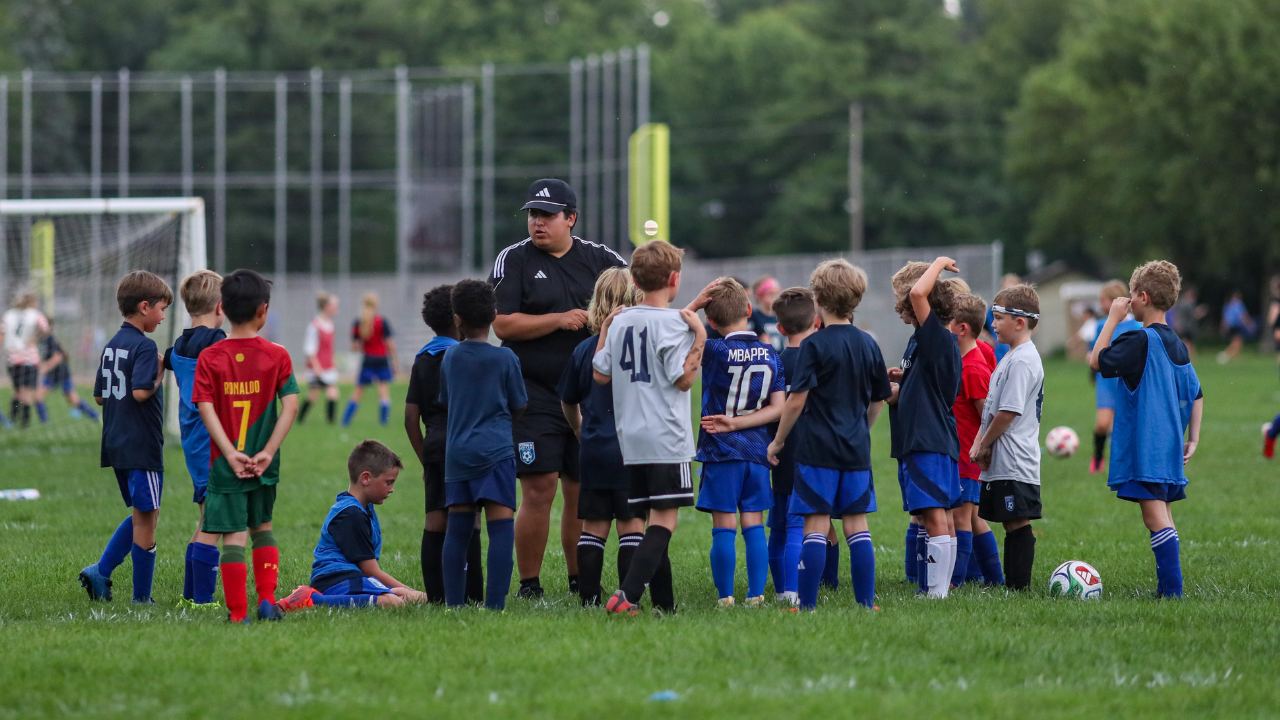
A strong recreational program is not watered-down competition. It is an intentionally designed environment that puts participation, development, friendship, and enjoyment at the center of the experience.
For a young player, success may mean touching the ball more often, learning a new skill, remembering a teammate’s name, recovering after a mistake, or asking to play again next season.
Those moments create the foundation for long-term participation.
In fact, the American Academy of Pediatrics recommends that communities offer multiple levels of play—including recreational, competitive, and elite opportunities—so more children can participate and fewer players leave sports entirely.
Recreational sports also give children freedom to explore.
They can try soccer while participating in another sport. They can enjoy a season without committing to an entire year. They can play with classmates and neighbors. They can develop at their own pace without feeling that every game is an evaluation.
For some children, recreation will become the beginning of a competitive journey.
For others, it will simply be a meaningful part of childhood.
Both outcomes are valuable.
Travel Sports Have a Place—But They Should Not Be the Starting Requirement
Competitive and travel programs can offer advanced coaching, stronger competition, and meaningful opportunities for committed players.
But not every child needs that experience immediately, and not every family wants—or can manage—the cost and schedule that may accompany it.
There is growing recognition throughout youth sports that children should be able to begin casually before families make larger commitments. Parents are increasingly encouraged to let children explore sports through local leagues, classes, and shorter programs before moving toward intensive or travel-based options.
That approach gives the child a voice in the decision.
Do they enjoy going to the field?
Do they practice on their own?
Are they excited to see their teammates?
Are they asking for more?
When the answer is yes, families can choose the next opportunity that matches the child’s interest and readiness.
The goal should not be to move every child up as quickly as possible. The goal should be to create an experience that makes children want to keep moving, learning, and playing.
What Parents Should Look for in a Recreational Sports Program
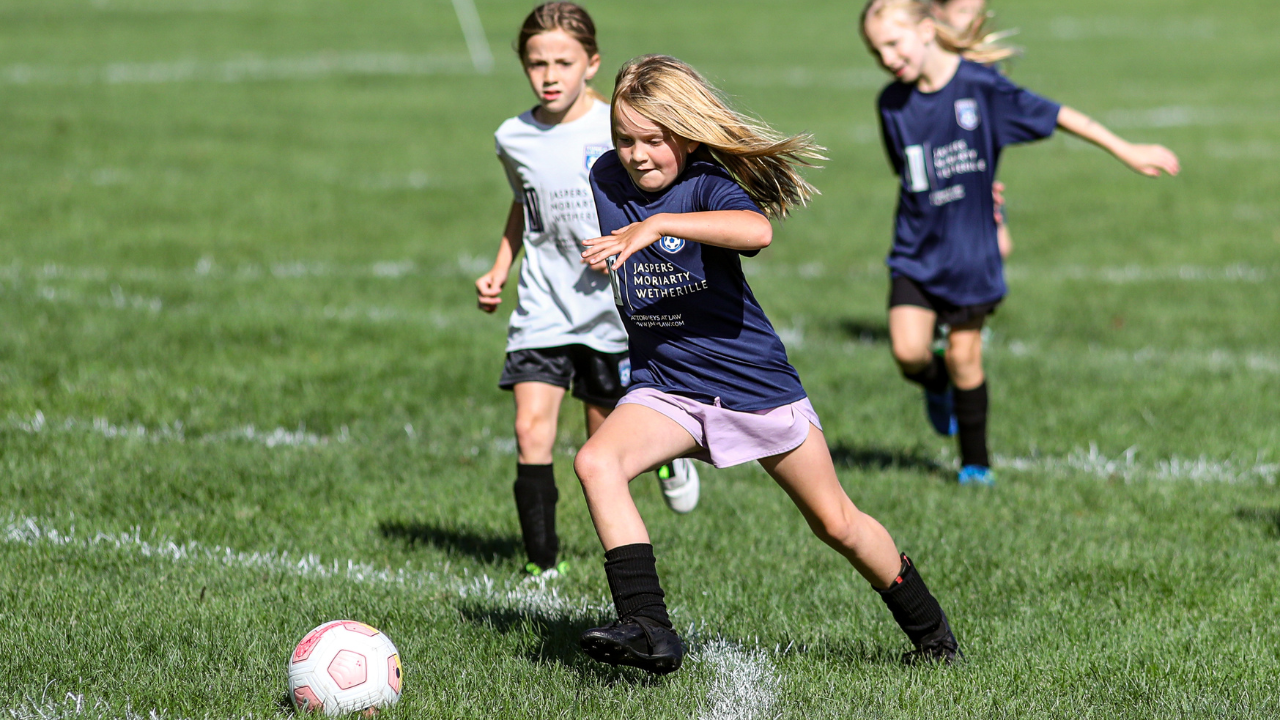
Not every recreational program is built the same way. A quality community sports experience should make participation easier while still providing thoughtful organization and meaningful development.
A Welcoming Environment
New players, returning players, and experienced players should all feel that they belong. Children develop at different speeds. A strong program meets players where they are and creates room for them to grow without comparison or unnecessary pressure.
Age-Appropriate Games
Children need formats designed for their stage of development. Smaller teams and smaller playing areas give each child more opportunities to touch the ball, make decisions, attack, defend, communicate, and participate in the action. Young players learn more by playing than by standing and watching.
Opportunities to Play With Friends
Friendships are not separate from player development. They are often one of the most important reasons children begin playing—and continue playing. Grouping children with friends, classmates, and neighborhood peers can reduce anxiety, create immediate connection, and make the field feel like an extension of their community.
A Predictable Family Schedule
Youth sports should be a meaningful part of family life, not something that controls every part of it.
Consistent days, published schedules, local fields, and manageable commitments make it easier for families to participate without sacrificing every weekend.
Positive Coaching and Support
Children need adults who understand that development includes more than technical instruction.
Good coaches create energy, encourage effort, teach teamwork, and help children respond positively when something does not go their way.
An Optional Path to More
Some players will finish a game and immediately ask when they can play again. A healthy recreational system gives those children access to additional training without forcing every family into a full competitive commitment.
Building a Better Front Door to Soccer at Tonka United
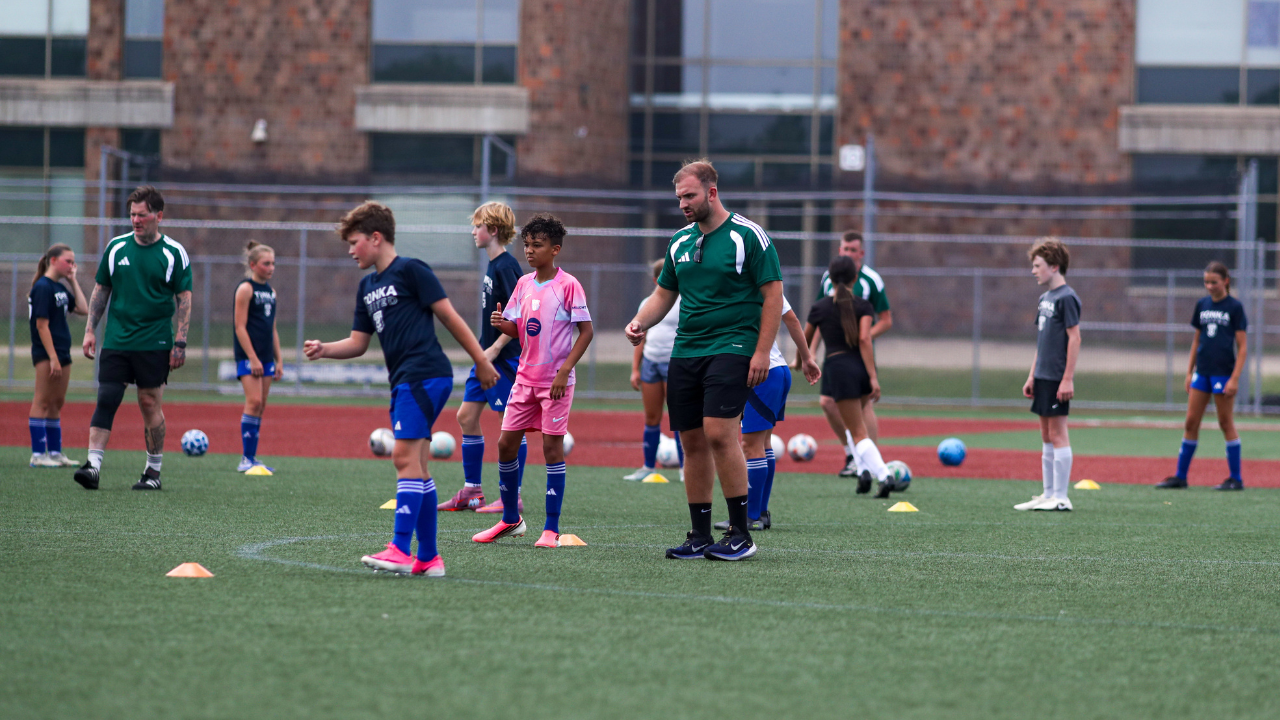
For nearly 50 years, Tonka United’s Recreation Program has helped local children begin playing soccer, build friendships, and become part of their community.
The goal is not simply to organize games. It is to create an experience where players feel involved, supported, and excited to return.
Tonka United’s Fall Recreation League serves players from Pre-K through High School in a community-based season focused on fun, participation, inclusion, and connection. Teams are organized by grade and gender, with friend, school, and neighborhood connections considered during roster formation whenever possible.
The program uses age-appropriate, small-sided formats designed to keep players close to the action. Smaller teams create more touches, more decisions, and more opportunities for each child to participate rather than becoming lost in a large game.
Players receive weekly games led by Parent Volunteer Coaches, with full-support from Tonka United’s RDP coaching staff. The schedule is published in advance so families can understand how soccer fits into their fall before the season begins.
Most importantly, children do not need previous soccer experience to join.
They just need a willingness to play.
More Development Without the Full Travel Commitment
Some recreational players want additional coaching and more time with the ball, but their families may not be ready for—or interested in—a full competitive schedule.
Tonka United’s Recreational Development Program, or RDP, was created for that space.
RDP is an optional add-on for Recreation League players from Kindergarten through High School. It includes additional age-appropriate training sessions led by US Soccer-licensed staff coaches while allowing players to remain part of the same community-based league experience.
It offers families a flexible middle ground:
- More coaching, without a year-round commitment.
- More touches, without extensive travel.
- More development, without taking away the friendships and community connections that make recreation special.
For players who later become interested in
Pre-Competitive or
Competitive soccer, RDP can provide a comfortable next step. For players who simply want more soccer, it can remain exactly that.
A First Soccer Experience Built for Young Children
For younger children, the first experience matters.
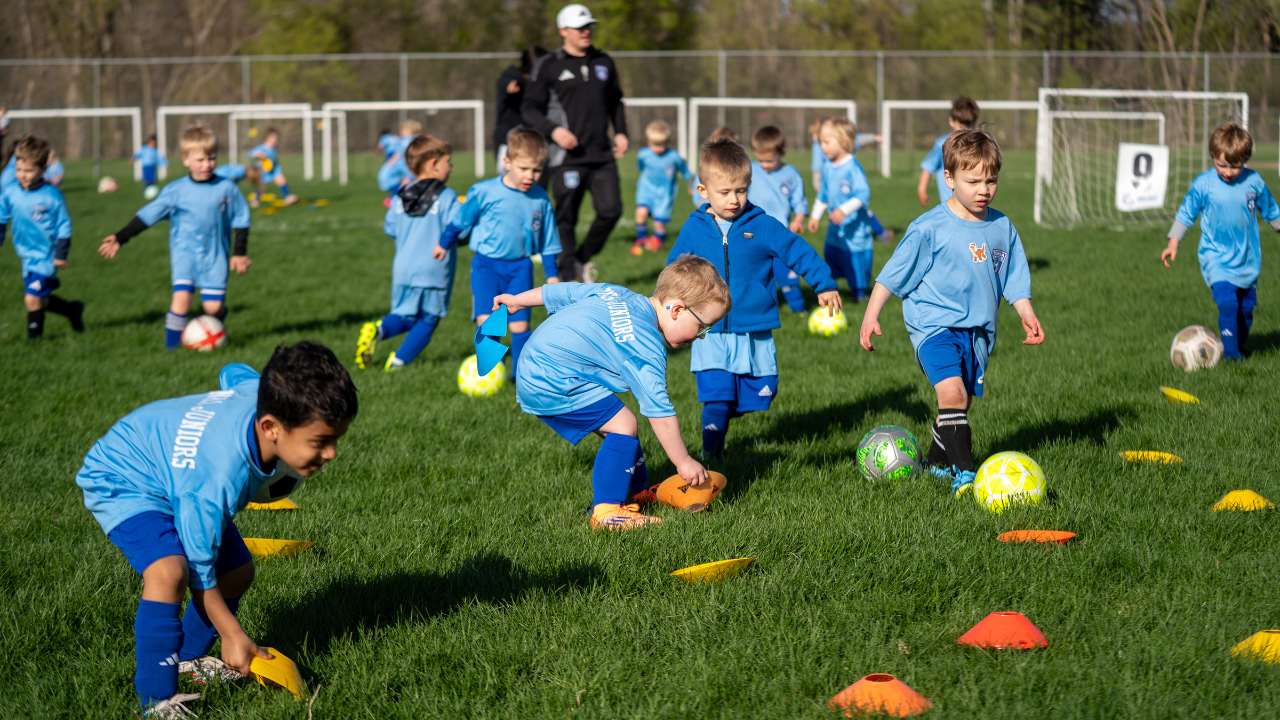
Tonka Juniors welcomes players from U4 through U8 into an energetic, class-based environment led by licensed professional coaches. Sessions combine imaginative activities, age-appropriate soccer fundamentals, movement, social interaction, and plenty of time with the ball.
Children do not need to understand the rules before they arrive. They do not need to have played on a team. They do not even need to know whether soccer will become “their sport.”
Tonka Juniors gives them a place to find out.
The purpose is to help children feel comfortable moving, playing, listening, experimenting, and interacting with others in an encouraging environment.
For many families, that is exactly where a lifelong relationship with sports begins.
The Best Youth Sports Question Is a Simple One
Parents are often asked to think years ahead.
Which pathway is best?
Should we add more training?
Are we falling behind?
What team should come next?
Those decisions may eventually matter. But the first question should be much simpler:
Does my child have a place where they can play, belong, and enjoy being active?
When the answer is yes, many of the other benefits begin to follow.
Children build confidence because they are participating.
They build friendships because they are part of a team.
They build resilience because games do not always go their way.
They build healthy habits because movement becomes something they associate with joy.
And sometimes, they fall in love with a sport that remains part of their life for years.
Our communities do not need every child to become an elite athlete.
We need more children outside.
More children moving.
More children playing with friends.
More children are learning how to be part of something bigger than themselves.
That is the lasting value of recreational sports—and why every child deserves a welcoming place to begin.
Find the Right Place for Your Child to Play
Fall Recreation League — Pre-K through High School
Community-based teams, predictable weekly games, age-appropriate formats, friend requests, and a welcoming experience for new and returning players.
Recreational Development Program — Kindergarten through High School
Add professional, US Soccer-licensed training to the Recreation League without committing to a full competitive or travel schedule.
Tonka Juniors — U4 through U8
A fun, professionally coached introduction to soccer built around movement, confidence, fundamentals, and a love of play.
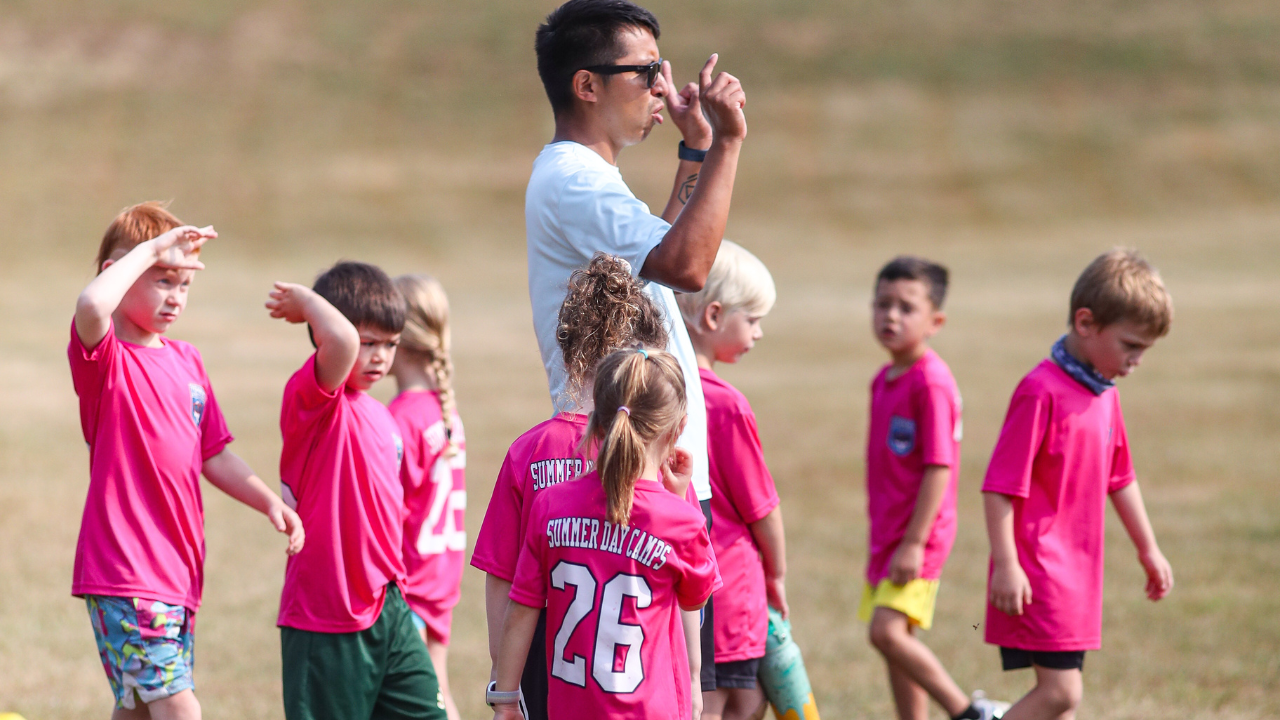
Fall registration is open. Give your child a place to move, connect, grow, and play.